Mahi | What we do
Manaaki Kaimai Mamaku Trust leads landscape-scale conservation across one of Aotearoa New Zealand's epic forest ranges — coordinating iwi-led projects, building capability, and proving that community-driven restoration works at scale.
Kaimai Mamaku Restoration Project
Coordinating restoration at scale
The Kaimai Mamaku spans over 260,000 hectares. Manaaki Kaimai Mamaku Trust (MKMT) coordinates funding, project support, and shared capability across eight active iwi-hapū led conservation tīma — ensuring the entire landscape benefits.
Each Kaimai Mamaku Restoration Project tīma is an independent entity and operates within their own rohe. MKMT provides the backbone: funding coordination, reporting, GIS, health and safety, ecological expertise and communications.
This model means more of every dollar reaches the ngahere — 89.9% of all funding flows directly to project delivery in the rohe.
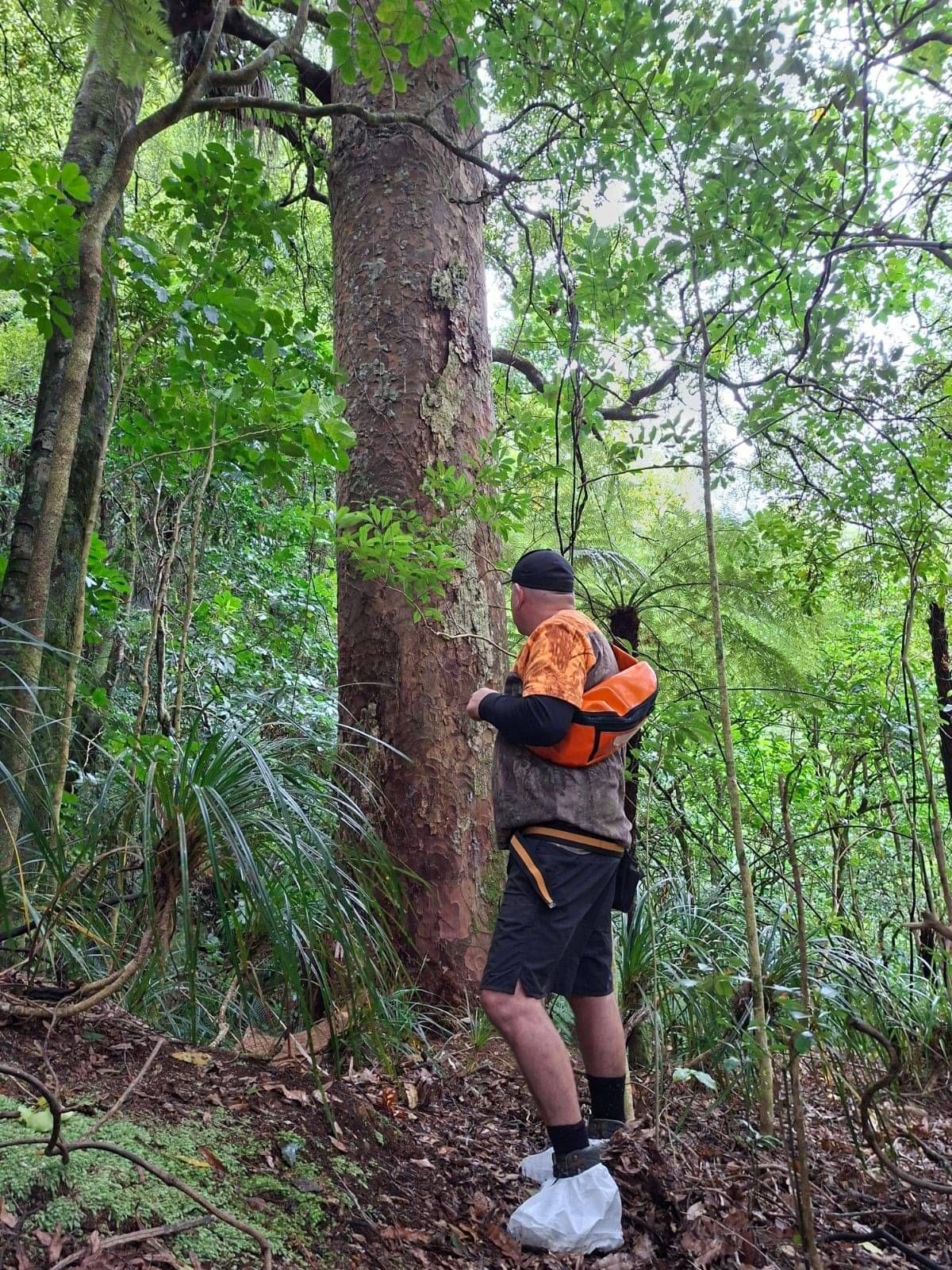
Supporting mahi
The behind-the-scenes work that makes landscape-scale restoration possible
Conservation at this scale demands more than trap lines. Manaaki Kaimai Mamaku Trust provides a suite of specialist support services that lift the capability and effectiveness of every project in the Kaimai Mamaku Restoration Project.
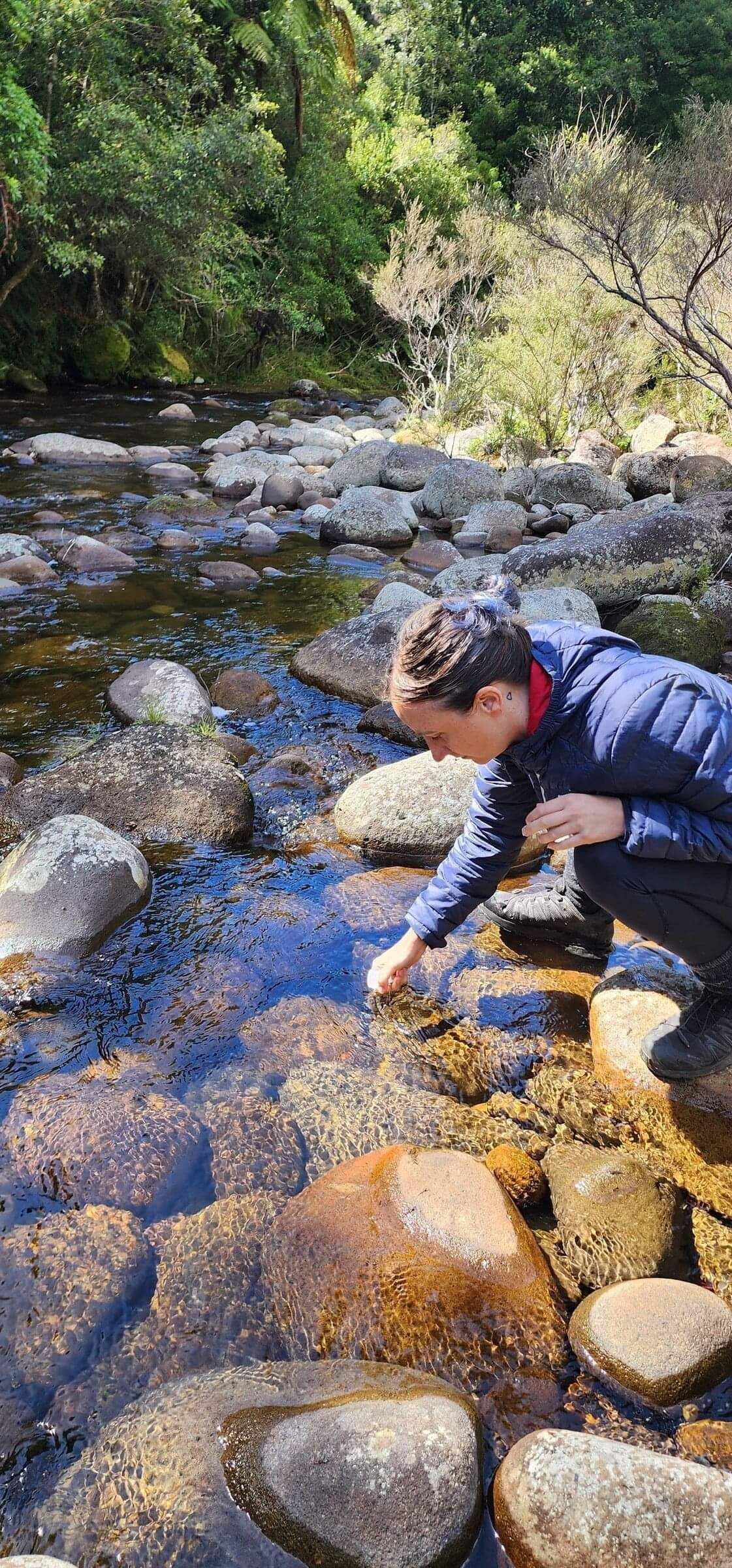
eDNA testing
The largest eDNA collection program across the Kaimai Mamaku Conservation Park. We combined 31 data sets with 13 publicly available data sets, and critically analysed them to offer fascinating results into "life in the Kaimai Mamaku" that you can read here.
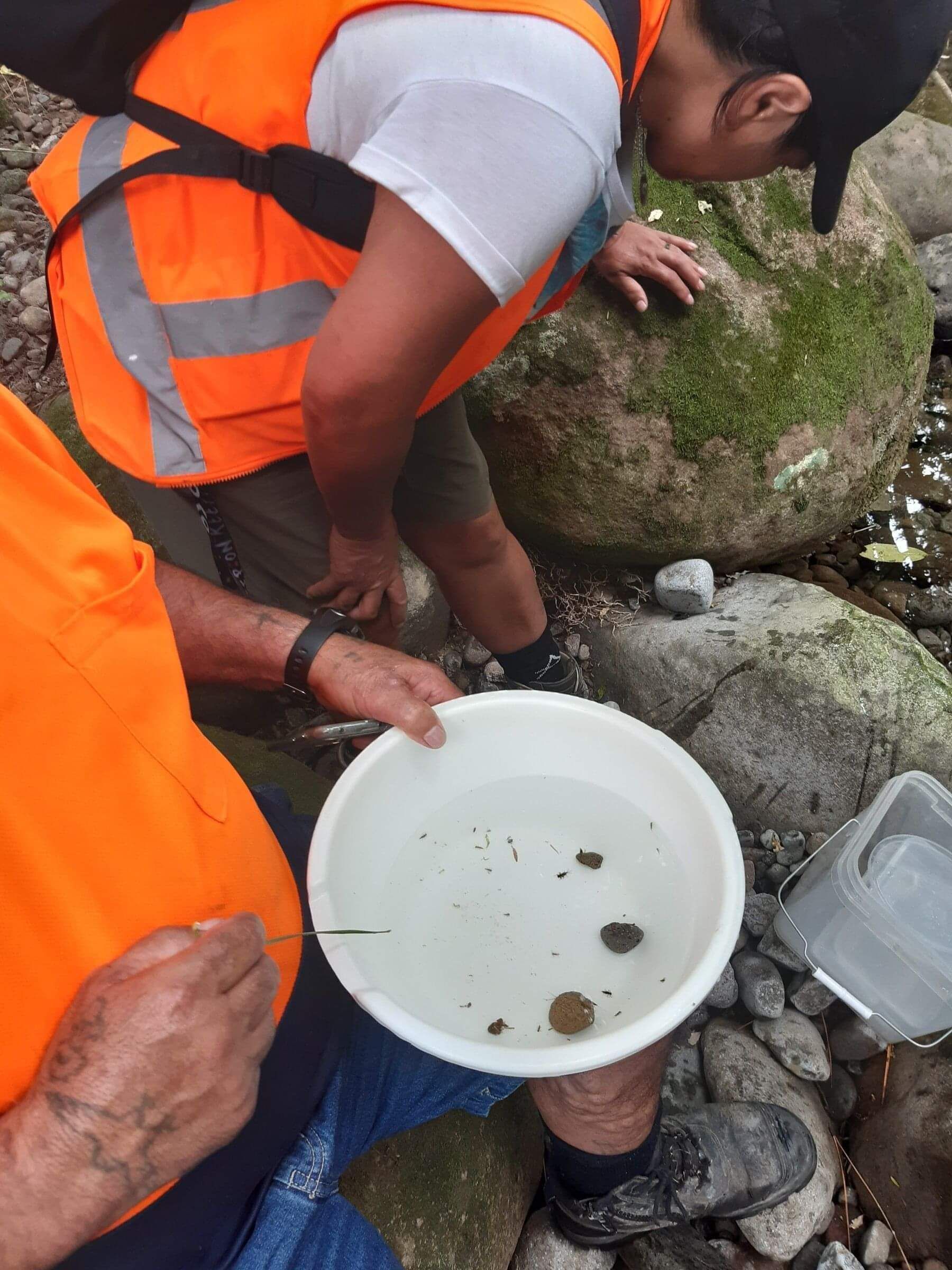
Wānanga & capability building
Through MKMT-led wānanga and other training and development opportunities, our kaimahi have built true working relationships across the rohe so every team benefits from collective knowledge.
Data, monitoring & impact analysis
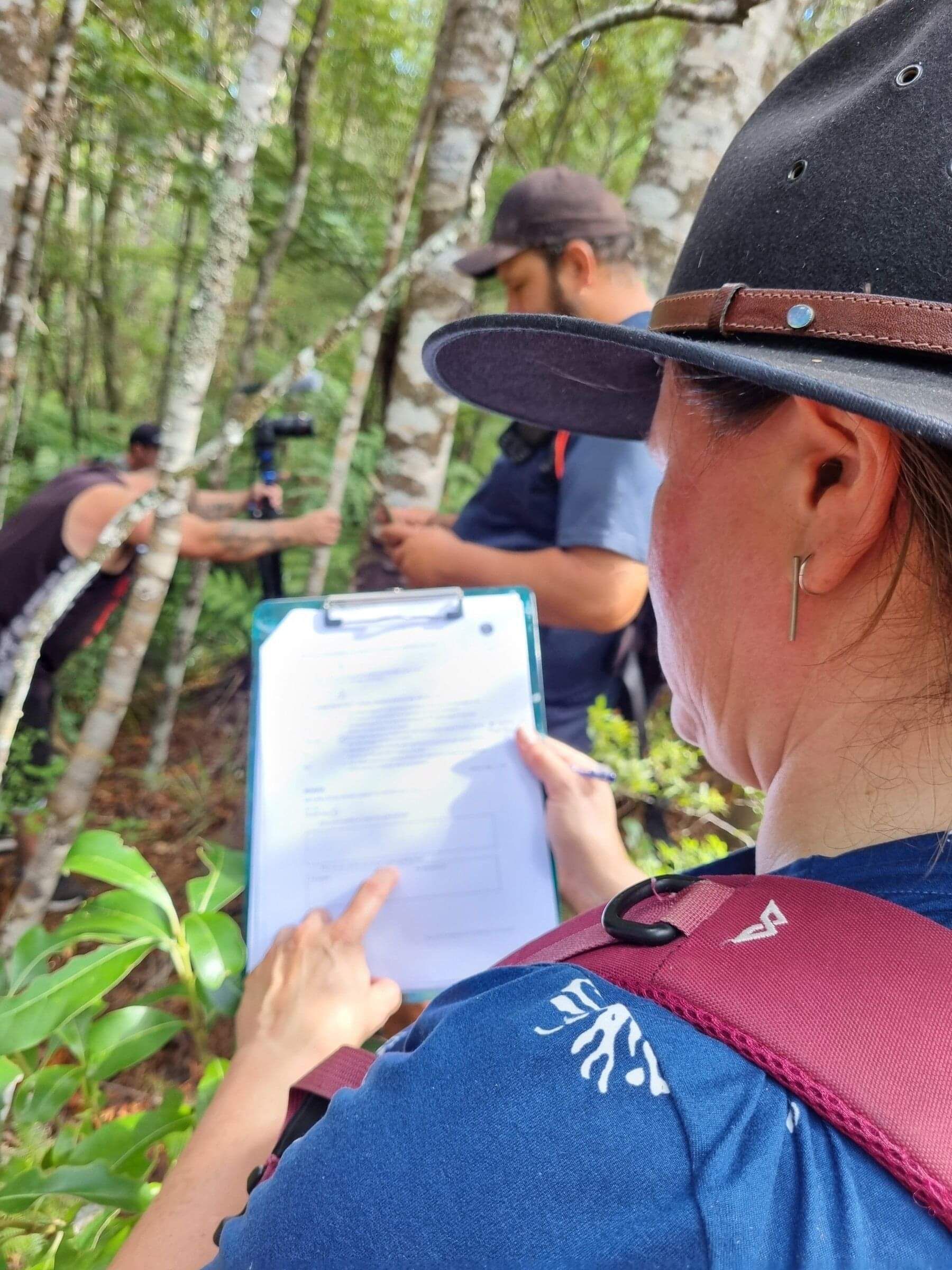
Biodiversity monitoring, social impact surveys, and bespoke digital tools — including Ngahere Ora, developed with Māori scientist Kiri Reihana — ensure the mahi is evidence-led and outcomes are visible.
Expert advice and support
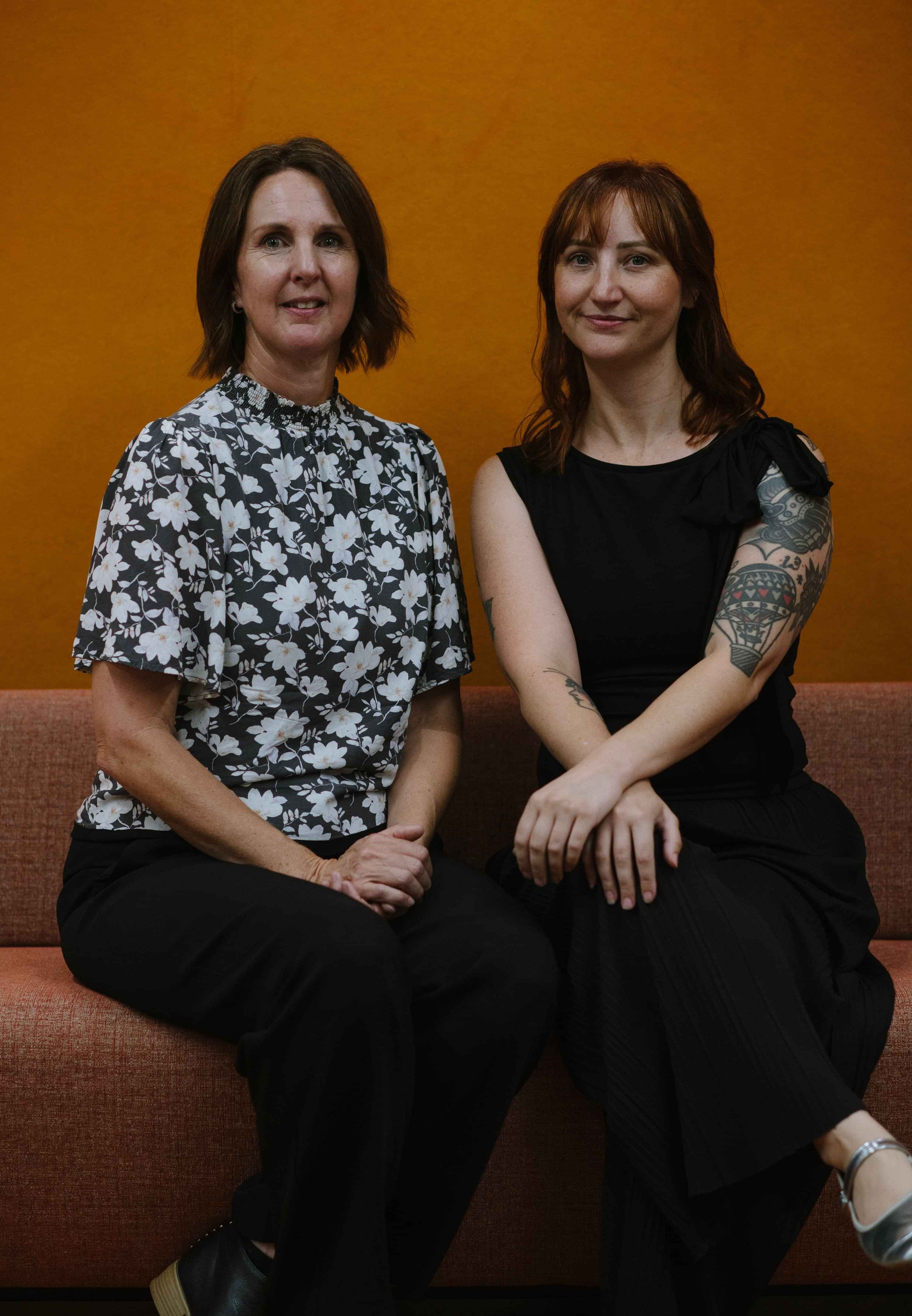
Our team currently consists of an ecologist and environmental scientist and, a comms & engagement expert with a collective 40 years of professional experience. Day-to-day we help teams in specialist areas such as budgeting, reporting, comms, engagement, GIS, health & safety, and pest-control best practice.
Feral goat eradication
Feral goats eat native plants causing serious damage to forest health and soil. A feasablity study confirmed eradication is possible within four years and a $750,000 injection from central government has allowed the work to begin.
Strategic partnerships
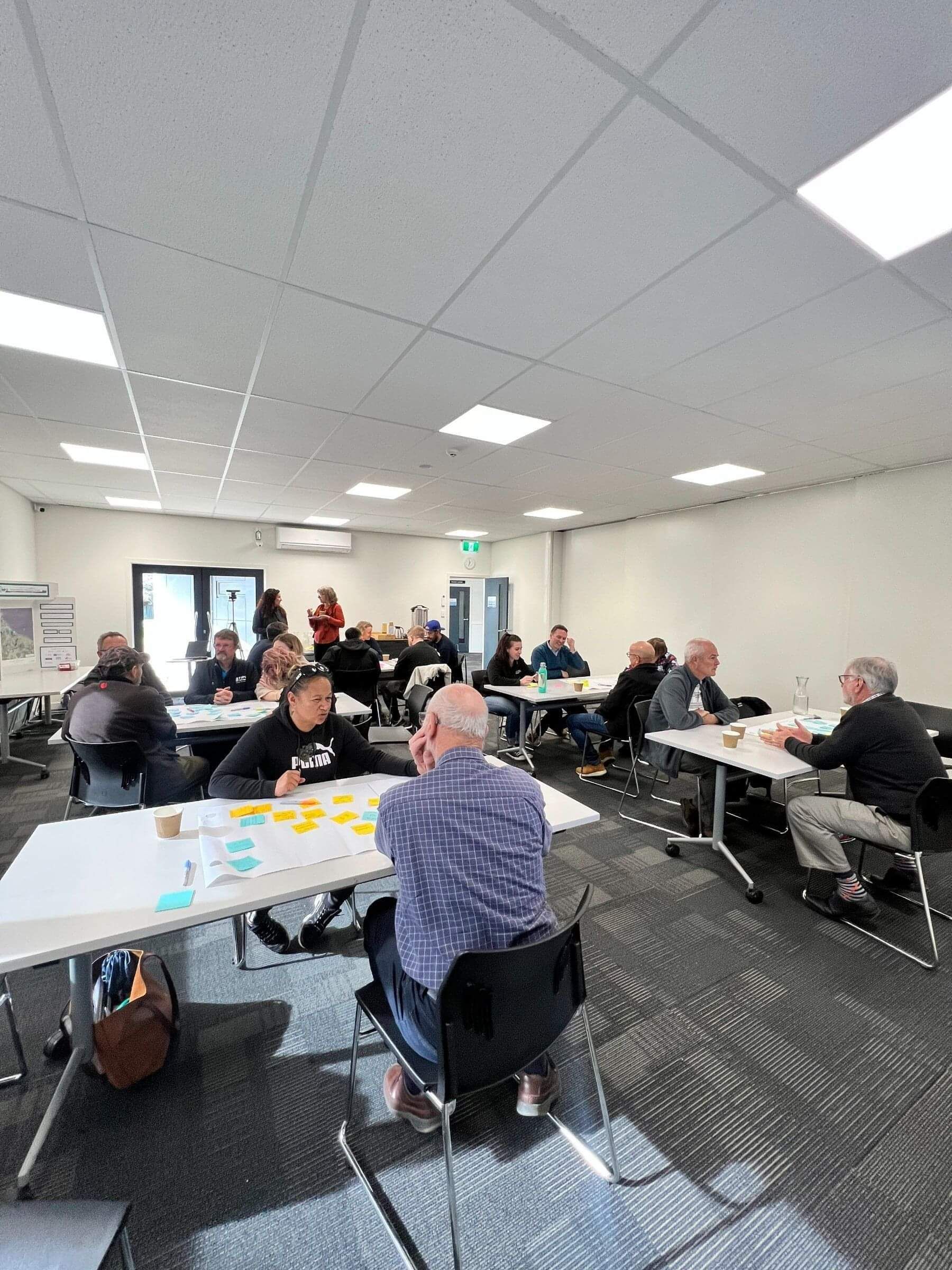
Landscape-scale conservation requires policy influence, cross-sector collaboration, and the ability to connect the right people. Key partnerships include: Partnering For Nature with Priority One and Bay Conservation Alliance, a media partnership with Our Place Magazine, and a cross-region partnership between BOPRC, WRC, DOC and ourselves (Joint Agency Group).
Outcomes and impacts
When people thrive, conservation scales. When conservation scales, the KMRP earns recognition and sustainable investment.
People and projects are supported
Trained kaitiaki in purposeful, sustainable employment
68.3% improvement in mental health and wellbeing reported
Mātauranga Māori shared across eight KMRP tīma.
Increased restoration activity
7,500+ hectares under active pest control
33,700 predators removed
0% rat tracking achieved at mulitple sites.
Kōkako nesting, kiwi chick survival improving.
Public recognition
Sustainable Futures Award winners
Future Leader Finalist, Sustainable Business Awards 2025
International nature credits pilot — first in NZ
$750k government commitment to goat eradication.
Recognition
Sustainable Futures Winners

Future Leader Finalist. Sustainable Business Awards 2025
Ready to join the Kaimai Mamaku Restoration Project?
Whether you're an individual supporter, a business seeking verified nature investment, or a partner organisation — there's a place for you restoring the mauri of the Kaimai Mamaku.
LET'S CHAT
556 Cameron Rd, Tauranga South, 3112.
PO Box. 3138 Greerton Mail Center, Tauranga, 3142.
For media enquiries: Rebecca.lee@mkm.org.nz